 Reviews


 Proudly American


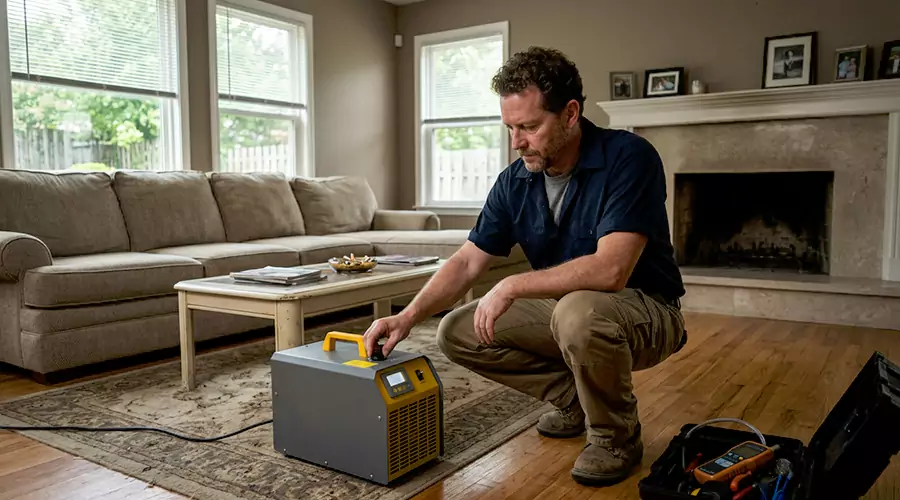
Smoke odor usually returns after cleaning because soot or smoke residue remains inside porous materials, hidden cavities, HVAC components, or belongings that were not fully cleaned. A room may smell fresh while windows are open, then develop smoke odor again after the space is closed because contaminated materials continue releasing odor into the air.
Cleaning visible soot is only one part of smoke recovery. Smoke can travel beyond the fire area and settle inside cabinets or behind finished surfaces.
Why Does Smoke Odor Come Back After a Room Looks Clean?
Smoke odor comes back when the visible surfaces have been cleaned but the actual odor source remains. Drywall or upholstery can absorb smoke particles below the surface. When the room stays closed, those materials can slowly release odor back into the indoor air.
Common hidden sources include:
- Carpet padding
- Upholstery
- Curtains
- Drywall
- Insulation
- Cabinet interiors
- Unfinished wood
- HVAC filters
A clean-looking room can therefore still contain significant smoke contamination.
Can Smoke Stay Inside Drywall?
Yes. Drywall is porous because its gypsum core is covered with paper. Heavy smoke exposure can move odor beyond the painted face and into the paper layer.
Smoke damage on walls may appear minor after surface cleaning, but odor can return when:
- Soot reached unpainted drywall edges.
- Smoke entered electrical openings.
- Contamination reached the backside of the panel.
- Firefighting water carried residue deeper.
- The wall cavity contains smoky insulation.
Painting before the contamination is removed can hide discoloration while leaving the odor source in place.
Can Carpet and Upholstery Make Smoke Odor Return?
Soft materials can hold more smoke odor than hard surfaces because particles penetrate below the visible surface. Carpet may look clean while padding underneath still contains residue.
| Material | Why Odor May Return |
|---|---|
| Carpet | Residue can remain in backing |
| Carpet padding | Smoke can penetrate deep fibers |
| Upholstery | Odor can reach internal cushioning |
| Curtains | Large fabric area collects particles |
| Mattresses | Smoke can penetrate internal material |
Smoke damage cleaning should therefore consider the full material rather than just its exposed surface. Repeated surface spraying may temporarily change the smell without removing the contamination.
Can the HVAC System Spread Smoke Odor Again?
Yes. Smoke can enter return-air pathways during a fire and settle on filters or accessible system components. When the HVAC system runs later, contaminated dust can move through several rooms.
Watch for these signs:
- Smoke smell starts when the system turns on.
- Dark residue appears around registers.
- A new filter becomes dirty quickly.
- Several rooms develop the same odor.
- Odor is stronger near return vents.
Fire smoke odor removal can fail when the building surfaces are cleaned but the air-handling system is overlooked.
Why Does Smoke Odor Get Stronger at Night?
Smoke odor often seems stronger after windows and doors have remained closed for several hours. Ventilation can dilute odor during the day, which makes the problem seem resolved. Closing the space allows vapors released from contaminated materials to build up again. Temperature or humidity changes can also make odor more noticeable. This does not necessarily mean new smoke contamination has appeared. It often means an existing source was never fully removed.
Can Firefighting Water Make Smoke Odor Harder to Remove?
Yes. Water can carry soot into porous surfaces or wall cavities. Wet insulation may absorb smoke residue while drywall holds both moisture and odor. This combination can make smoke damage repair more difficult because the material must first dry before its final condition can be judged.
For example: wet hardwood may hold odor while it is drying. Replacing or coating the surface too early can leave contamination underneath.
What Warning Signs Show the Odor Source Is Still Present?
Persistent odor usually comes with other signs that part of the fire residue remains.
Watch for these warning signs:
- Smoke smell returns overnight.
- Cabinets smell stronger when opened.
- Upholstery smells after the room warms.
- Wall odor returns after repainting.
- Soot remains around vents.
- Clothing smells after one wash.
- Attic insulation has a smoky odor.
- Odor increases when HVAC runs.
- Closets smell stronger than open rooms.
- Gray residue still transfers to surfaces.
Smoke remediation should focus on locating these remaining sources before stronger deodorizing methods are considered.
What Can You Check Yourself?
A closed-room test can help narrow down where the odor is coming from. Clean and ventilate the room first. Then close the windows and doors for several hours.
After returning:
- Check the room before opening windows.
- Identify where the odor is strongest.
- Open cabinets one at a time.
- Smell fabrics separately.
- Run the HVAC briefly only if the system has been cleared for use.
- Note whether the odor changes.
A white-cloth test can also reveal remaining soot on accessible hard surfaces.
Can Primer or Paint Stop Returning Smoke Odor?
Primer can help block residual staining or odor after proper cleaning, but it should not replace source removal. Painting directly over contaminated walls can trap some residue while leaving other smoke contamination behind.
Before repainting:
- Remove loose soot.
- Clean compatible surfaces.
- Let the wall dry completely.
- Check for returning odor.
- Apply a suitable stain-blocking primer when needed.
Fire smoke odor removal works best when surface finishing comes after source cleaning.
When Should You Call a Professional?
Professional assessment is appropriate when smoke odor returns after repeated cleaning or affects several rooms. HVAC contamination is another reason to seek help because the source may extend beyond accessible household surfaces.
Consider professional help when:
- Odor returns within hours of cleaning.
- Several rooms smell smoky.
- Insulation may be contaminated.
- HVAC components contain soot.
- Drywall has deep smoke penetration.
- Firefighting water entered wall cavities.
- Upholstery cannot be deodorized.
- The source cannot be located.
Smoke restoration can involve deeper source cleaning before odor treatment begins.
How Can You Prevent Smoke Odor From Returning?
The best prevention is to remove contaminated residue before repairs cover affected areas. Clean belongings should also be separated from smoky items during restoration.
Use this checklist:
- Clean soot before repainting.
- Wash reusable fabrics before storage.
- Inspect cabinet interiors.
- Replace dirty HVAC filters.
- Check carpet padding separately.
- Dry firefighting water fully.
- Recheck closed rooms for odor.
Conclusion
Smoke odor usually returns because the source was reduced rather than completely removed. Porous materials or HVAC areas can release odor long after visible soot has been cleaned. Check closed rooms and hidden surfaces before repainting or deodorizing. If odor keeps returning after repeated source cleaning, professional assessment can help locate contamination that remains inside materials or building cavities.
Frequently Asked Questions
Can smoke odor return months after a fire?
Yes. Deep contamination inside porous materials can continue releasing odor long after surface cleaning.
Why does smoke odor get stronger when it is humid?
Higher humidity can make odor trapped in porous materials more noticeable.
Can carpet padding hold smoke odor?
Yes. Padding can retain smoke residue even when the visible carpet has been cleaned.
Will repainting permanently remove smoke smell?
Only when the wall has already been properly cleaned and dried. Paint alone may not solve deeper contamination.
Can smoke odor come through air vents?
Yes. Contaminated HVAC components or filters can redistribute odor when the system operates.
Does an air freshener remove fire smoke odor?
No. Air fresheners mask odor temporarily rather than removing the contaminated source.